Context
General Assembly Australia
Type
UX Design course case study
Role
UX/UI Designer
Discipline
Design Thinking

Branding · UX/UI · Sustainable Web Design
A UX Design case study from the General Assembly Australia course — a full Design Thinking pass on an everyday sustainability problem.
See more
Context
General Assembly Australia
Type
UX Design course case study
Role
UX/UI Designer
Discipline
Design Thinking
Design a product that helps everyday people reduce household waste and turn what they already discard into something valuable — with as little friction as possible.
Behaviour change is hard. The design had to lower the cost of doing the right thing and reward it, without moralising or adding another chore to already-busy lives.
A high-fidelity prototype validated by two rounds of usability testing, with a clear MVP, a lightweight brand system and a documented roadmap of future steps.

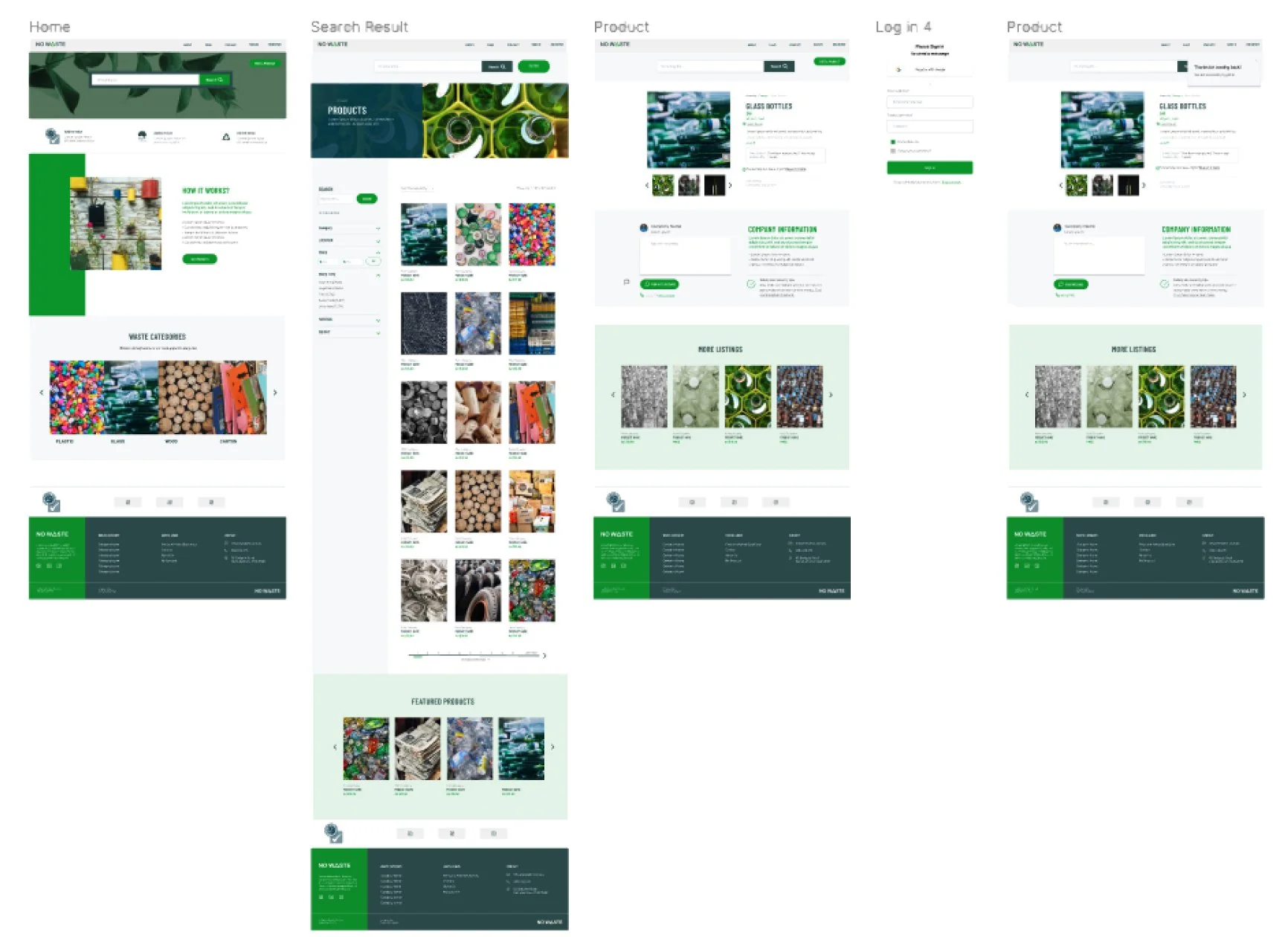
A grounded, honest identity — deep greens, off-white paper and confident condensed type.
Typography: Barlow Condensed · Barlow Medium · Barlow Regular.

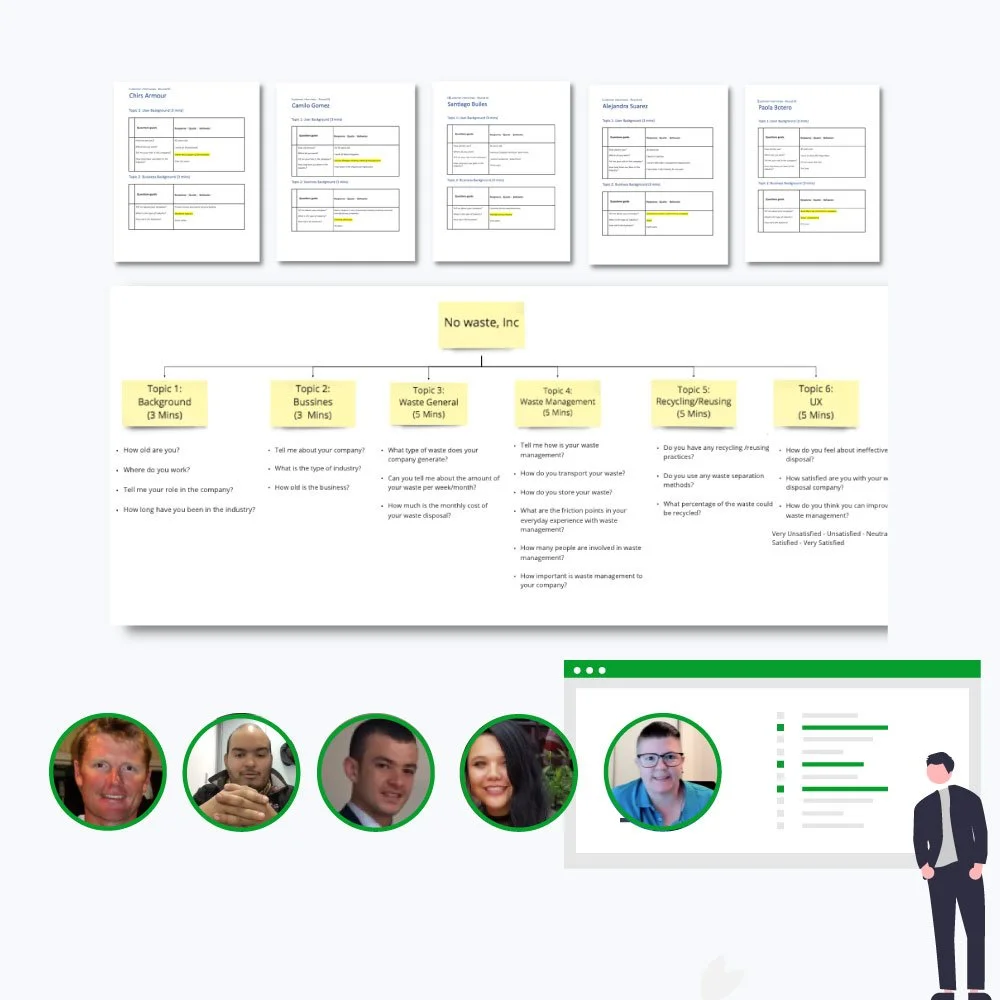
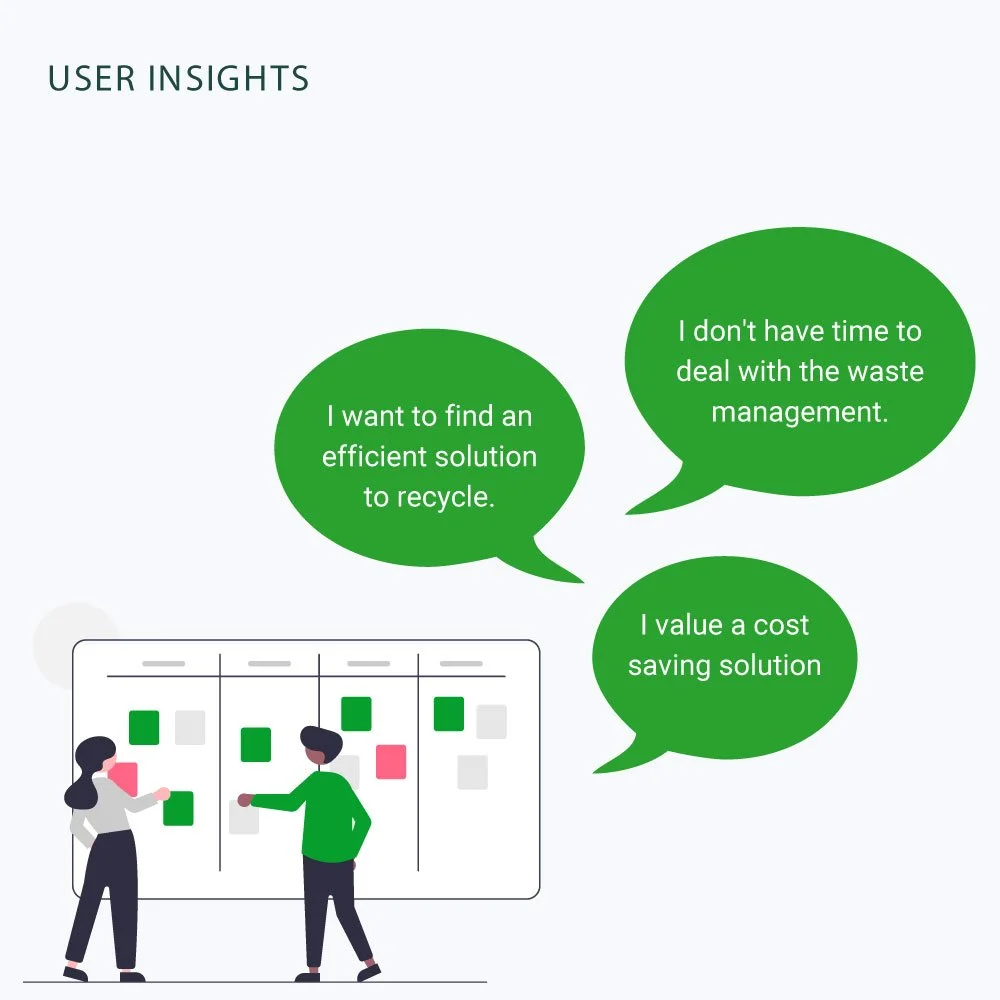
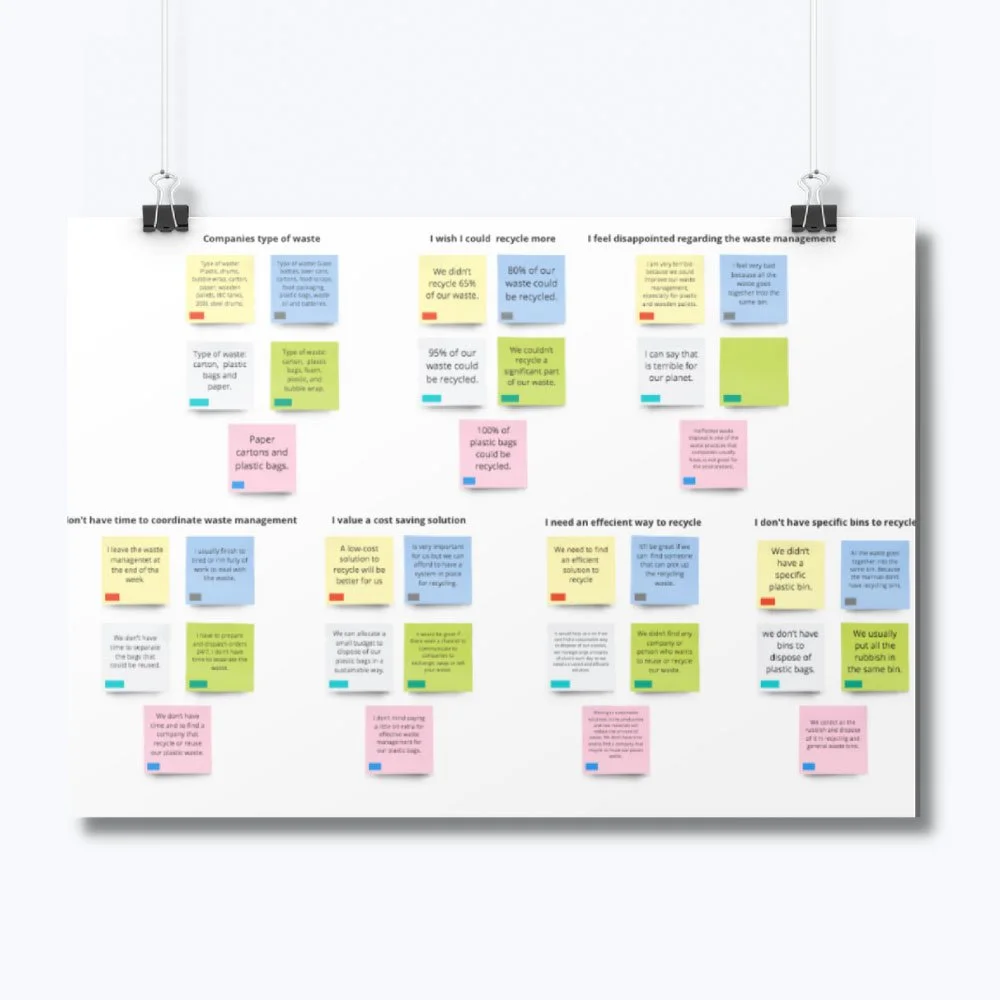
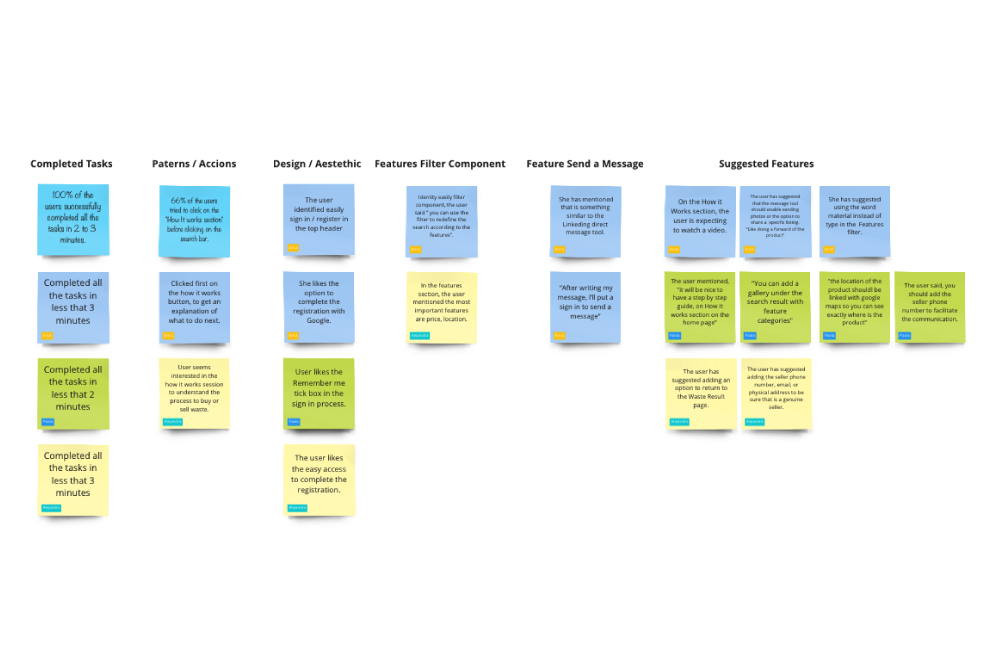
User interviews and secondary research grounded the problem in real behaviours. Affinity mapping surfaced the patterns that shaped every decision that followed.
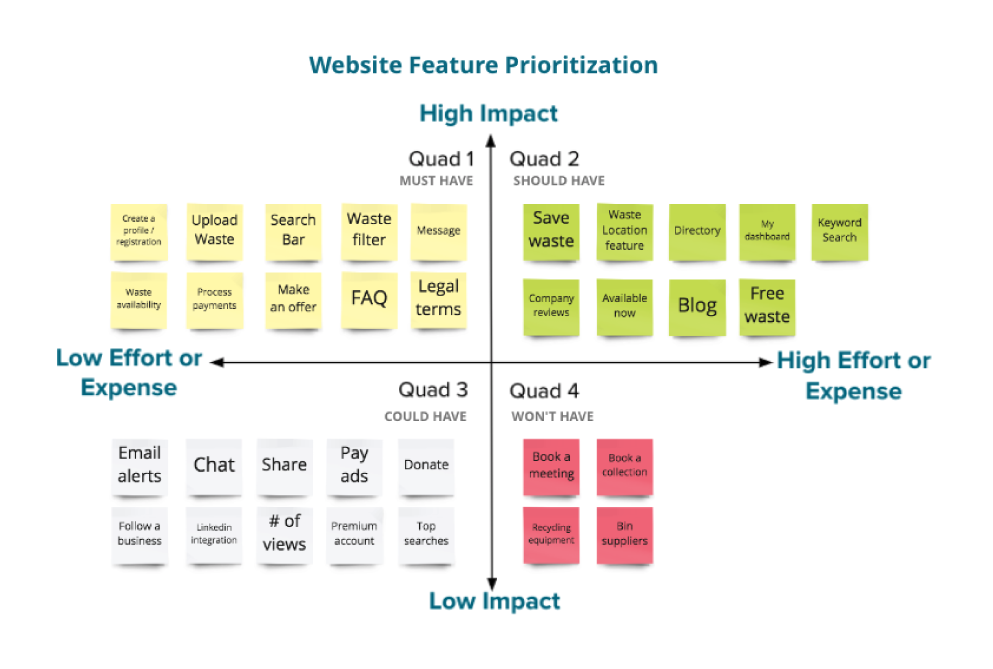
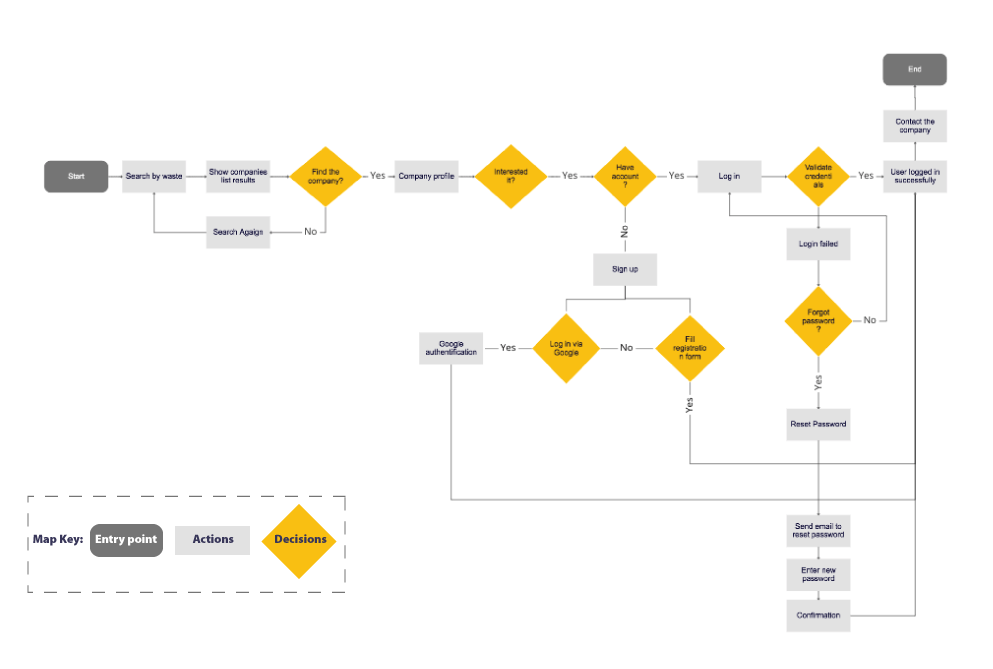
Competitor analysis mapped the landscape, and a MoSCoW-style feature prioritisation kept the MVP honest — high-impact, low-effort features first. A full user flow validated the happy paths and edge cases.
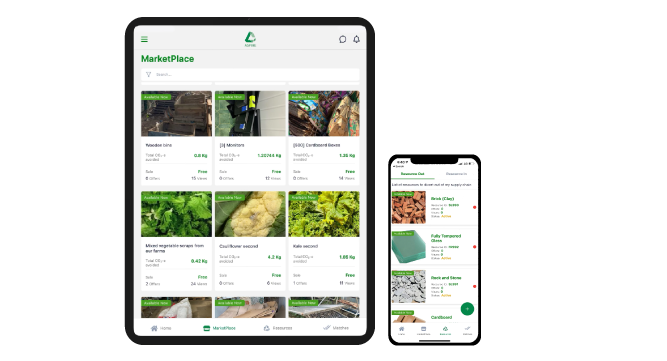
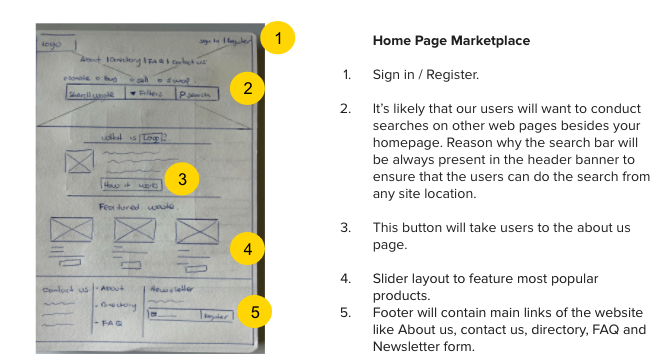
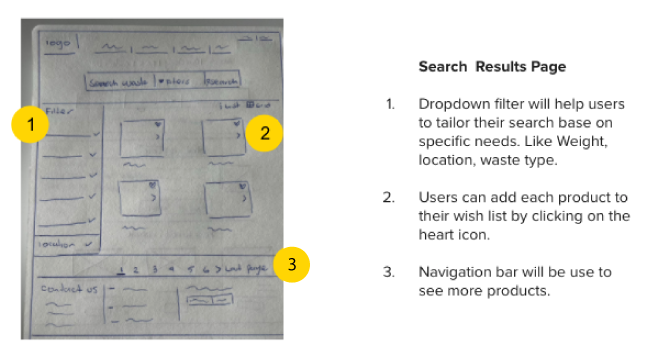
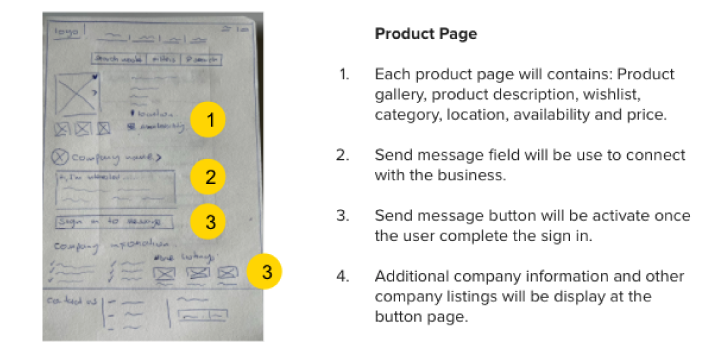
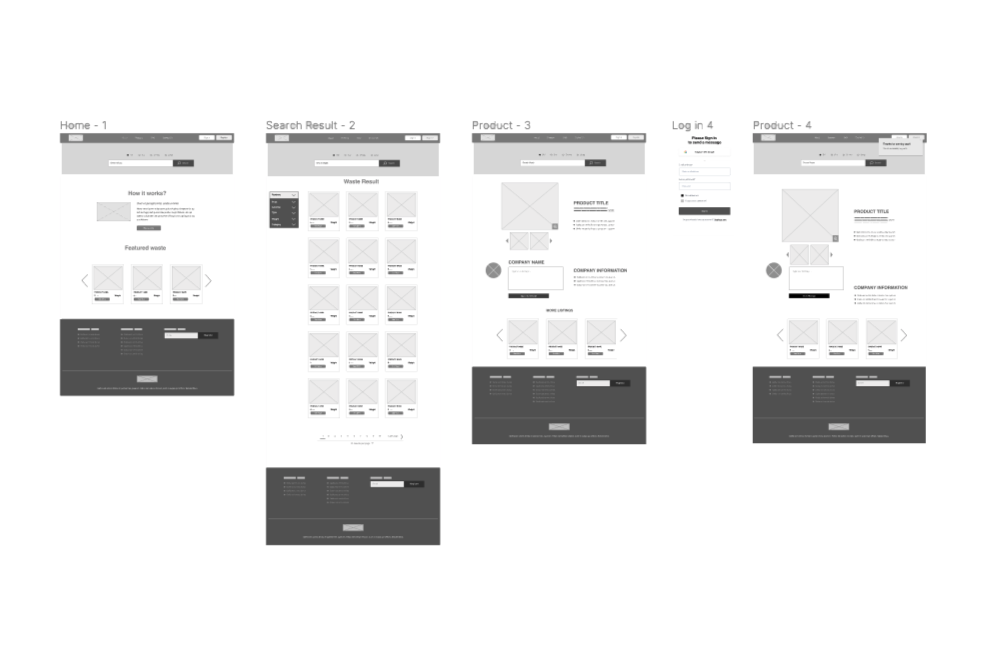
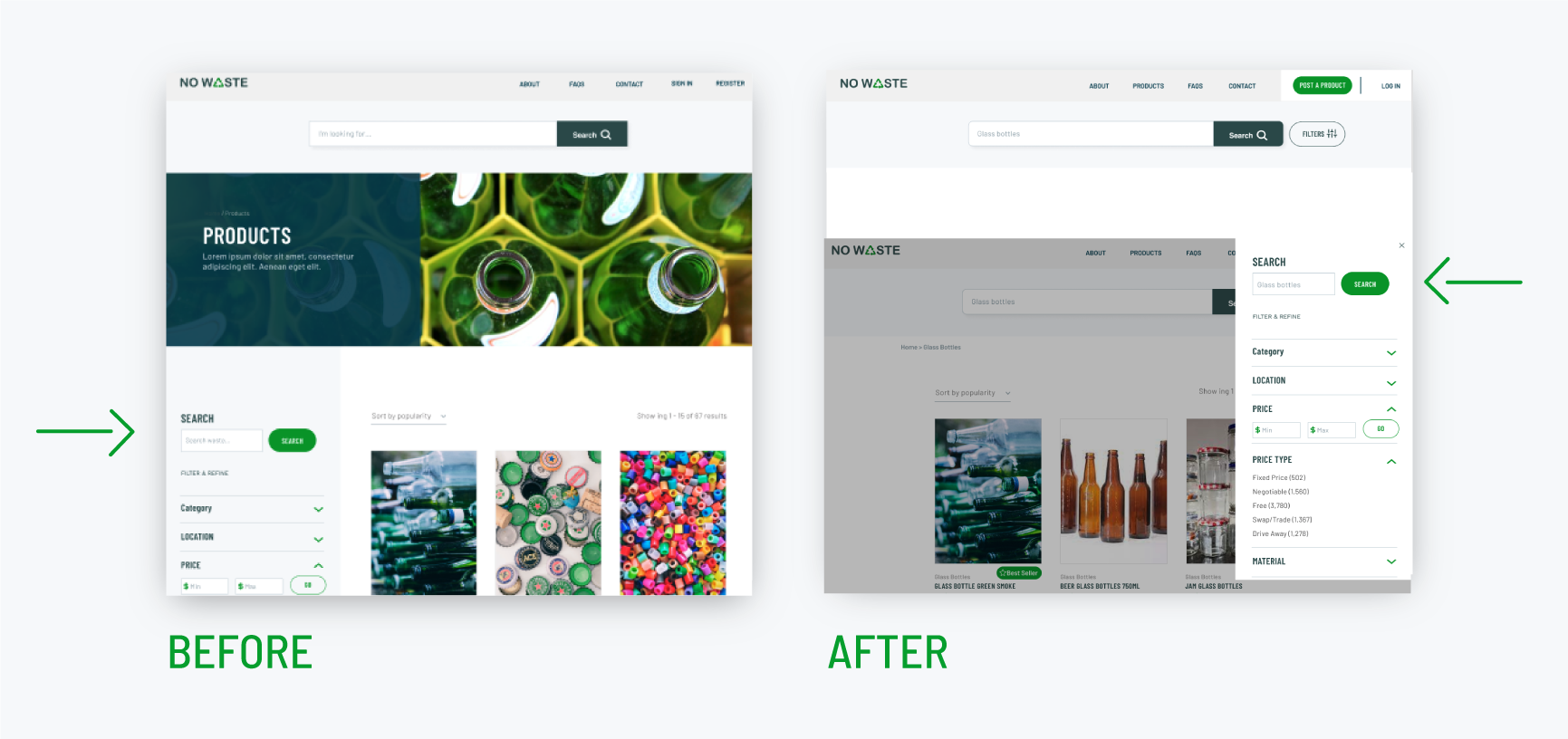
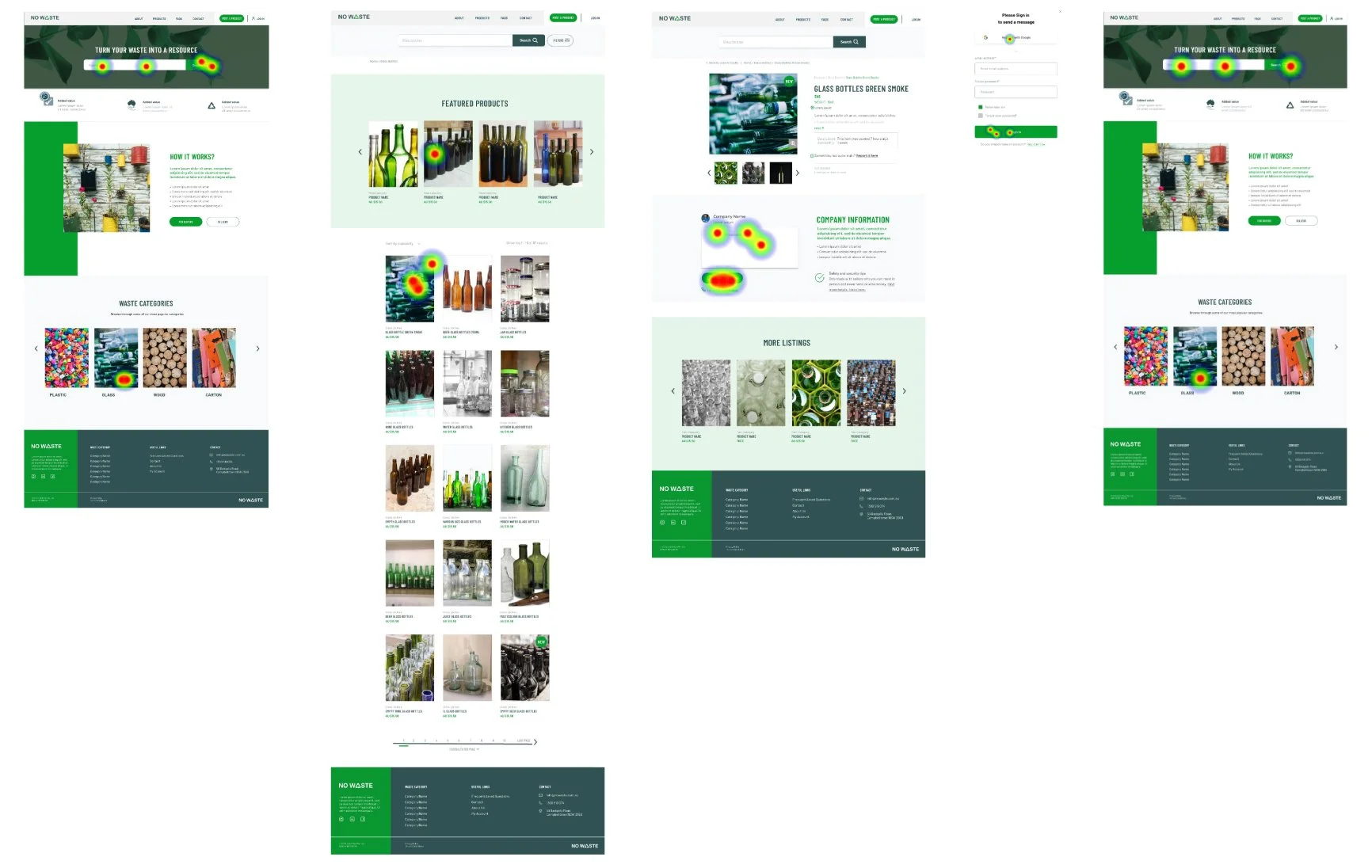
Paper sketches set the structure before pixels. From lo-fi wireframes to hi-fi flows, two rounds of usability testing and heatmap analysis revealed where users hesitated — and every insight fed back into the next iteration.
User interviews, secondary research and a clear problem statement grounded in real behaviours around household waste.
Affinity mapping, persona and 'how might we' framing. MVP prioritisation, task analysis, competitor analysis and a first user flow.
Sketches, lo-fi wireframes, a style guide, hi-fi wireframes, two rounds of usability testing (with problems and solutions documented), heatmap insights and a final prototype.
Expand into community drop-off networks, add gamified impact tracking and validate a partnership model with local councils.
How much design owes to listening. Two rounds of usability testing changed more decisions than any of the pretty screens did — and made the final product genuinely usable.